

Main content
Article list
Campaign News
Filter & Read
Thousands of people around the world have joined the movement to change the way the world’s biggest food companies do business. Filter through the news and read how this movement is working towards a fairer global food system.
-
December 19, 2016
The coming of age of the Roundtable for Sustainable Palm Oil (POLICY)
I remember when I was as that awkward age of 12: no longer a kid and not yet a teenager. Roundtable-champion Adam Harisson, until recently representing WWF in the palm oil industry, beautifully compared the roundtable with a teenager reluctant to listen to his parents, yet always full of surprises.
-
October 20, 2016
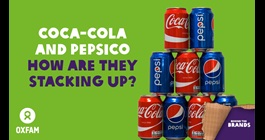
Are PepsiCo and CocaCola keeping their promises?
PepsiCo and Coca-Cola committed to zero tolerance for land grabs in 2014. Are they on track?
-
May 30, 2016
Climate science is serious business: General Mills & Kellogg show how (POLICY)
Here’s how the cereal giants are tackling climate change.

-
April 19, 2016
BtB Turns Three
Behind the Brands is 3 years old. Come celebrate with us as we reveal the new scores of your favorite companies.

-
March 10, 2016
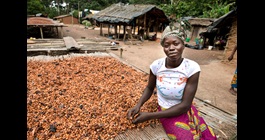
Behind The Beans
Investing in women cocoa farmers is not only the right thing to do but it also makes good business sense. Here’s why…
-
January 25, 2016
5 things you didnt know you did in 2015
Here are 5 things people power achieved in 2015!
-
December 8, 2015
From sidelines to frontlines: Food companies like Kellogg step up climate ambitions at COP21
From sidelines to frontlines: Food companies like Kellogg step up climate ambitions at COP21

-
December 3, 2015
Policy blog: Six things you missed from this year’s Roundtable for Sustainable Palm Oil
Palm oil can be considered one of the earliest globally traded commodities in world history. But how can we transform this conflict-ridden sector into something more positive?

-
December 2, 2015
What’s for dinner: What world leaders need to put on the menu
As world leaders meet in Paris for the climate talks, here’s what should be on the menu.

-
November 20, 2015
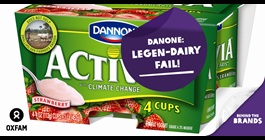
Danone’s missed opportunity to be legenDAIRY on climate change
Danone says its yogurt makes you “smile from the inside,” but this new climate policy gives us nothing to smile about.
-
November 5, 2015
Who’s Behind Your Brands?
How much do you really know about the brands on your supermarket shelves?
-
October 16, 2015
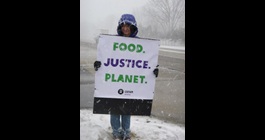
Can Consumer Power Deliver a Cool Climate Deal?
It’s a good time to be a consumer – it’s the truth.
-
September 14, 2015
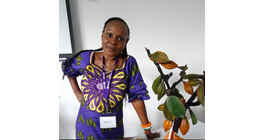
“It is the responsibility of all of us, from producer to consumer”
Women cocoa farmers met with company executives last week to talk about what sustainability really means in cocoa supply chains.
-
September 3, 2015
Forget gold, General Mills is going for green
General Mills have just taken the first step towards carrying out their promises to Behind the Brands supporters!

-
March 30, 2015
Battle of the Brands: The Annual Scorecard Update
Which food and beverage companies are doing the most good (or bad) for people and the planet?
-
January 30, 2015
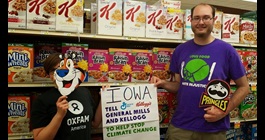
What do you think about Behind the Brands?
Here’s where Behind the Brands supporters think we should go next.
-
October 9, 2014
A race to the top: New update on food and beverage companies progress
You put the pressure on the biggest food and beverage companies. Now, find out how they scored in our latest scorecard update.

-
September 23, 2014
Four New Ways Food Companies Are Tackling Climate Change And Three Ideas To Help Them Do Even Better
The food and beverage industry has come a long way in recent months. Here’s how companies can keep up the momentum.
-
September 15, 2014
Food Companies Race to the Climate Summit
Oxfam is meeting with the top food and beverage companies next week, following the UN’s Climate Summit in New York. Who will be the next to improve their climate policies?
-
August 13, 2014
Today Kellogg Stepped Up to Tackle Climate Change
Thanks to your voice, and those of 238,000 other consumers, Kellogg is doing the right thing.
-
August 7, 2014
Nestlé Declares Zero Tolerance for Land Grabs
Behind the Brands Campaign Manager Monique Van Zijl reflects on Nestlé’s commitments.
-
July 29, 2014
3 Minutes Is All You Need to Make The Right Call
Now’s our chance to pile on the pressure to get Kellogg to make climate commitments like General Mills! And here’s how you can help.
-
July 28, 2014
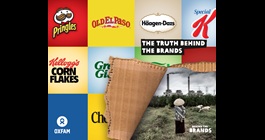
Climate Roadmap
After two months of public pressure, General Mills took a strong stand for climate action. This roadmap shows how General Mills’ commitment should become reality. As General Mills moves from promises to action we’ll update this page to show progress.
-
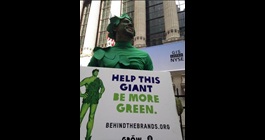
General Mills: The Making of a Climate Leader!
After 2 months of campaigning we are thrilled to announce that General Mills— once ranked last on climate change policies on our Behind the Brands scorecard—has committed to setting targets to reduce emissions, participate in real climate advocacy, and become a true climate leader. And we have you to thank! There is NO WAY General Mills […]
-
-
July 7, 2014
Make a big noise
Join 24 hours of global action and send a big noise to Kellogg and General Mills!
-
June 13, 2014
Jose Mourinho’s golden goal of a lifetime
Jose Mourinho has the opportunity to score the golden goal of a lifetime! Is he ready to take his game through a 5 step plan to beat the keeper and score against hunger?

-
June 5, 2014
Checking Facebook or Twitter today…?
Checking Facebook or Twitter today? It’s World Environment Day and we’ve got a great chance for you to use your social media power to call on Kellogg and General Mills.

-
June 3, 2014
What’s the story behind your morning bowl of cereal?
Palm oil is everywhere, in food and everyday items you don’t even realize…

-
May 27, 2014
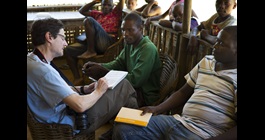
When the sun is shining, our crops are dying
A changing climate threatens harvests from California to Liberia. How can we help?
-
May 22, 2014
Are General Mills and Kellogg silent accomplices to a warming planet?
Oxfam’s latest Behind the Brands action is focused on getting the ‘Big 10’ food and beverage companies to step off the sidelines and do more to combat climate change – both in their own supply chains and through their influence with other industries and governments. We singled out General Mills and Kellogg as two companies that are lagging behind others on climate and challenged them to step up and lead the way to do mo
-
May 20, 2014
Four Steps Food Companies can take to Help Stop Climate Change
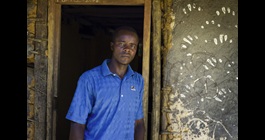
No company is too big to listen to its customers. When enough of us speak out, companies listen. Last year more than 400,000 of you called on companies to do more for women in their supply chains. They listened. Then you spoke up about land grabs in companies’ supply chains. They listened. Now we need you to stand up and insist that the brands we love do more to address the single biggest threat to fighting hunger– climate change!
-
March 18, 2014
Pushing PepsiCo to the Max on Land Grabs
When enough of us speak out, companies listen. Today PepsiCo proved t
-
March 17, 2014
Land roadmap
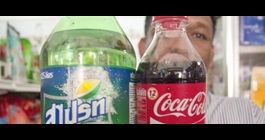
UPDATED: We’re looking forward to working with PepsiCo and Coca-Cola to ensure they stick to their promises. This road map shows how these commitments should become reality.
-
February 26, 2014
Turning the way food companies do business upside down
Turning the way food companies do business upside down
-
-
December 10, 2013
Just 3 more days to show you Stand for Land!
People in over 50 days have taken a Stand for Land rights – join in!

-
December 9, 2013
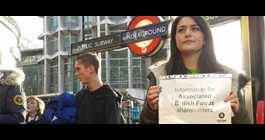
Associated British Foods AGM action report
Last Friday might not have been a big date on everyone’s festive calendar, but for Oxfam supporters from around the UK it was time to join one yearly party in style: the Annual General Meeting (AGM) of Associated British Foods (ABF) in London’s West End.
-
December 4, 2013
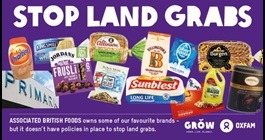
ABF week of action
Planning on checking Facebook or Twitter today? Of course you are. Keep reading for a chance to take part in some social disobedience!
-
November 25, 2013
It’s time to Stand for Land
Show that you #StandforLand in solidarity with those affected by land grabs.

-
November 13, 2013
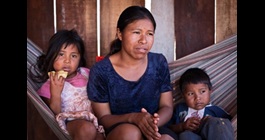
How Coke can use its land rights commitments for communities right now
Ideally, a policy commitment to eliminate land grabs leads to practice change which leads, in turn, to big impacts in the lives of communities. But to state the obvious: policy commitments are worthless without the hard, gritty messy work of putting them into practice.
-
November 8, 2013
The biggest brand leads the way on ending land grabs
After more than 225,000 people called for action, the world’s most well-known brand, Coca-Cola, has announced major commitments to respect and protect land rights.
-
November 7, 2013
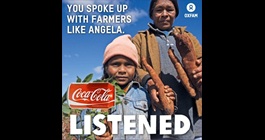
You spoke and Coca Cola listened
What does it take to make a global sugar giant to promise to improve its policies on land? You. And more than 225,000 others.
-
November 6, 2013
How can the Bonsucro standard be improved to prevent and resolve land conflicts for communities
…
-
-
-
-
October 2, 2013
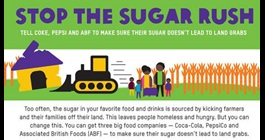
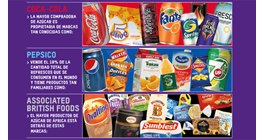
Coke, Pepsi and ABF: make sure your sugar doesn’t lead to land grabs
Too often, the sugar in your favourite food and drinks is sourced by kicking farmers and their families off their land. This leaves people homeless and hungry. But you can change this.
-
September 26, 2013
The countdown begins: 6 days until launch
On Wednesday 2nd October we will launch the next phase of Behind the Brands. The details of this are top-secret until launch, but our exclusive teaser video gives a sneak preview of the campaign to come.
-
September 17, 2013
Moving on up: Changing the way big brands do business
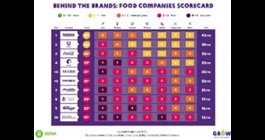
Over 120,000 people taking action. The world’s ten biggest food and beverage companies. And one groundbreaking campaign. Combine these ingredients and what do you get? The beginnings of a significant shift towards a fairer food system for all.
-
March 28, 2013
Momentum rising for Behind the Brands
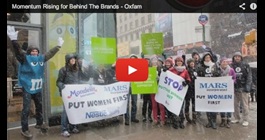
On International Women’s Day, March 8th 2013, activists gathered around the country to stand up for women cocoa farmers. From M&M’s World in Times Square, to the Nestle USA headquarters in Los Angeles, we called for justice for the millions of small-scale women cocoa farmers who work hard to lift their families out of poverty. […]
-
March 22, 2013
Will your favourite brand make it to the top of the scorecard
Will your favourite brand make it to the top of the scorecard? We’re already seeing companies committing to do business better. That’s because of you – but there’s more we can do to put the pressure on through Twitter and Facebook. Since we launched the Behind the Brands campaign in February, over 100,000 of you […]
-
March 21, 2013
Power of you
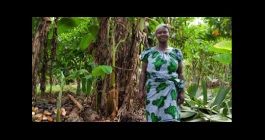
Two months. That is all it took for chocolate lovers and social justice activists to stand up to three of the biggest food companies in the world and create positive change in the food system. Mars, Mondelez and Nestle all agreed to look, listen, and act to make sure women cocoa farmers in their supply […]
-
March 11, 2013
Danone Company Feedback
Danone’s position on Oxfam’s report 11 March 2013 Oxfam’s recent report calls on food companies to make upstream- supply-chain issues an integral part of their corporate policies and commitments. While Danone recognizes the value of this approach, we would like to underscore our own convictions: – For Danone, food safety, as well as “health through […]

-
March 8, 2013
Thank you we are out there making a difference
Phew, it’s been a busy International Women’s Day and a very inspiring one. Today has seen more than 1200 people send tweets and Facebook posts all together in a huge Thunderclap to support our action telling Mars, Mondelez International and Nestle to stop putting women last in their cocoa supply chains. More than 5,000 people have signed the petition today and […]
-
March 4, 2013
General Mills Company Feedback
General Mills response “These are topics General Mills cares about, as we too want to ensure the future of the world’s food supply. We will continue efforts to advance our work in these areas as part of our commitment to global sustainability.” Ref. http://www.democracynow.org/2013/2/27/behind_the_brands_on_food_justice Oxfam’s reaction It is good to see General Mills reiterate a general […]

-
Unilever Company Feedback
Unilever response “We believe that the issue of Food Security is a critical one that needs multi-stakeholder efforts to solve and we support the aims of the campaigns like GROW. The key issues highlighted are ones with which we are all concerned and there is no doubt that the inclusion of smallholder farmers into the […]
-
PepsiCo Company Feedback
PepsiCo response No formal public reply. PepsiCo CEO Indra Nooyi requested a meeting with Oxfam staff who were handing out materials at company headquarters in the US. They discussed Oxfam’s report in a 30 minute meeting. In the meeting Nooyi was surprised and disappointed that PepsiCo scored lower than its competitors. Oxfam’s reaction It is […]
-
Nestle Company Feedback
Nestle has committed to Look, Listen & Act. Statement on the Nestle website. Nestle’s initial response to Behind The Brands 8 March 2013: In response to Nestle’s public letter to Oxfam committing to explore ways to improve their approach to women in their supply chain, Oxfam’s Behind the Brands campaign manager Alison Woodhead said: “We […]
-
Mondelez Company Feedback
Mondelez response Mondelez statement Cocoa and coffee farming communities are very important to our business. Since October, we’ve committed $600 million over 10 years through our Cocoa Life and Coffee Made Happy initiatives to build sustainable supplies and thriving communities to benefit millions of people in the developing world. In addition, we were the world’s […]

-
Kellogg’s Company Feedback
Kellogg’s response “Kellogg’s is committed to working more closely with the farmers who grow our grains to drive improvements in sustainability and we have a zero tolerance policy against forced labour. Clearly the ratings in the Oxfam report show us we need do more and we will be reviewing them in detail.” Kellogg’s has recalled […]
-
Coca Cola Company Feedback
Coca Cola Response A spokeswoman for Coca-Cola said: “We are aware of Oxfam’s Food and Beverage Scorecard and our ranking. “The Coca-Cola Company is committed to implementing practices throughout our supply chain that advance our sustainable agriculture strategy and support our commitment to build more sustainable communities. “We believe in creating economic opportunities as well […]
-
Associated British Foods response
“The idea that ABF would use a “veil of secrecy” in order to hide the “human cost” of its supply chain is simply ridiculous. We treat local producers, communities and the environment with the utmost respect. As for transparency … our next CR report in autumn 2013 will confirm significant improvement in disclosure.” “The company […]
-
Associated British Foods response
“The idea that ABF would use a “veil of secrecy” in order to hide the “human cost” of its supply chain is simply ridiculous. We treat local producers, communities and the environment with the utmost respect. As for transparency … our next CR report in autumn 2013 will confirm significant improvement in disclosure.” “The company […]
-
Mars has committed to Look, Listen & Act.
Statement on the Mars website. Mars initial response to Oxfam’s “Behind the Brands” Briefing Paper “Providing affordable and nutritious food for a growing global population is one of the great challenges of our time. As one of the world’s leading food companies, Mars plays an important role in this effort and we are proud of […]

-
March 1, 2013
Are women from mars?
Tuesday’s Behind The Brands campaign launch kicked off with a call for Mars, Mondelez International and Nestle to stop ignoring the women who are working in their cocoa supply chains. Between them, these three companies net more than $45 billion a year in confectionary sales. But throughout their cocoa supply chains – from growers to pickers – women are […]
-
February 28, 2013
The response to Behind the Brands so far
There has been a great response to the Behind the Brands launch on Tuesday (Feb 26). Consumers clearly care about the people behind the foods they buy. Thousands of people have taken action; the start we hope of a movement to reverse the 100-year legacy of the world’s ten largest food and beverage companies in […]
-
February 26, 2013
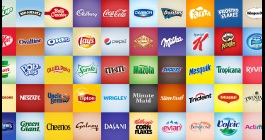
Go behind the brands
What do Twinings, Toblerone and Tropicana have in common? The same as Coca Cola, Cheerios and Cadbury’s, Ovaltine and Oreos, Pringles and Pop tarts. They’re all made by the ‘Big 10’ food companies, who between them make over $1bn a day. Here at Oxfam we’ve spent a good part of the past 18 months looking […]